Hatch Marking
Enquire Today For A Free No Obligation Quote
At Hatch Marking, we deliver high-visibility surface marking solutions that improve safety, traffic control, and regulatory compliance across the UK. Our hatch marking services include the application of durable thermoplastic and specialist paint systems designed for car parks, loading areas, fire routes, industrial yards, and controlled access zones.
Hatch marking is essential for restricting unauthorised parking, maintaining emergency access, guiding vehicle movement, and protecting pedestrians, helping sites operate safely and efficiently in both public and private environments.
How Is Hatch Marking Used to Manage Space and Safety?
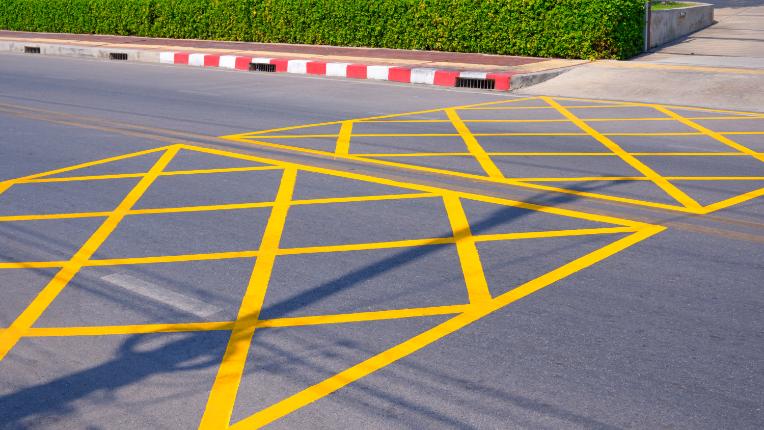
Hatch marking is used to create clear visual boundaries through cross-hatched or blocked surface patterns that indicate no-parking, keep-clear, and restricted access areas.
These markings are commonly installed in car parks, warehouse yards, logistics hubs, and roadway environments to highlight fire lanes, loading bays, access aisles, and keep-clear zones. By clearly defining restricted areas, hatch marking supports traffic flow control, emergency access protection, and reduced accident risk, while helping site operators enforce rules consistently.
What Does Hatch Marking Typically Cost?
The cost of hatch marking ranges from £800 to over £5,000 per project, depending on the total surface area, type of materials used (thermoplastic vs. painted), complexity of the hatch pattern, and any site-specific requirements such as traffic management, surface preparation, or out-of-hours work.
Thermoplastic systems, known for their durability and longevity, tend to sit at the higher end of the pricing spectrum, while painted markings, though initially lower in cost, may require more frequent upkeep. Additional enhancements like reflective beads or anti-slip finishes also contribute to the overall price.
Contact Hatch Marking to get customised prices for your site.
Where Are Hatch Markings Commonly Installed?
Hatch marking is used across a wide range of environments where space management and high visibility are required, including:
- Car parks – To mark no-parking zones, access aisles, and keep-clear areas near entrances.
- Loading bays – To maintain unobstructed delivery and service access.
- Fire routes – To ensure emergency vehicles and exits remain clear at all times.
- Industrial yards – To separate vehicle routes from pedestrian walkways.
- Roads and access ways – To reinforce traffic control, junction visibility, and safety compliance.
Are Reflective or Anti-Slip Hatch Markings Available?
Hatch marking can be enhanced with specialist safety finishes to improve performance in demanding conditions.
Reflective elements improve night-time and low-light visibility, while anti-slip coatings enhance pedestrian traction in wet or high-risk areas. These enhancements are widely used in environments where safety compliance and risk reduction are priorities.
What Preparation Is Needed Before Hatch Marking Is Installed?
Hatch marking requires thorough surface preparation to achieve clean lines and long service life.
Preparation typically includes removal of dirt, oil, and debris, repair of surface defects, and ensuring the surface is dry and stable. Existing markings may need removal or adjustment to accommodate new layouts, particularly on refurbishment or reconfiguration projects.
How Long Does Hatch Marking Last?
The lifespan of hatch marking for thermoplastic markings typically lasts 3 to 8 years on external, high-traffic surfaces such as car parks, access roads, and loading bays when correctly installed and maintained.
Painted hatch markings generally last 12 to 24 months outdoors before reapplication is needed, depending on vehicle movements and surface condition. Indoor hatch markings, used in warehouses or industrial buildings, can last 3 to 5 years or more due to reduced exposure to weather, though heavy forklift or foot traffic can shorten this timeframe.
What Rules and Standards Apply to Hatch Marking?
Hatch marking must align with local authority guidance and relevant national standards, depending on whether markings are placed on highways, private land, or commercial premises.
Requirements typically relate to colour contrast, line thickness, pattern spacing, and overall visibility, with white or yellow markings most commonly specified. Fire routes and emergency access zones may also require specific dimensions and supporting signage, while workplaces must meet health and safety obligations for pedestrian and vehicle separation.
What Types of Hatch Marking Materials Are Used?
Hatch marking is installed using materials selected to suit traffic levels, environmental conditions, and durability requirements, including:
- Thermoplastic hatch markings – Heat-applied material offering long-term durability for external, high-traffic areas such as car parks, roads, and loading bays.
- Painted hatch markings – Applied using specialist road or floor paints, providing flexibility and lower upfront cost for indoor areas or temporary layouts.
- Cold-applied coatings – Used where heat application is unsuitable, offering controlled installation on sensitive surfaces.
- Anti-slip enhanced materials – Incorporate aggregates or textured finishes to improve pedestrian safety in high-risk zones.
Is Out-of-Hours Hatch Marking Available?
Hatch marking is often carried out during evenings, overnights, or weekends to minimise disruption.
Out-of-hours services are commonly used for retail, logistics, and operational sites, while emergency response options are available for urgent compliance or safety-related works.
Does Hatch Marking Meet Safety and Compliance Requirements?
Professionally installed hatch marking is designed to meet health and safety legislation, fire service requirements, and transport guidance.
Whether used for fire lanes, disabled access zones, or traffic control areas, hatch markings must be clearly visible, accurately positioned, and durable. Contractors ensure compliance by following local authority guidance, site plans, and recognised national standards.
Contact Hatch Marking for a consultation on arranging hatch marking at your site.
Find More Info
Make sure you contact us today for a number of great hatch marking services.
For more information on hatch marking, fill in the contact form below to receive a free quote today.
★★★★★
Hatch Marking delivered precise, high-quality line work that exceeded our expectations. The team worked efficiently, maintained a clean site, and completed the markings exactly to specification. The finished result was durable, clear, and highly professional.
Benedict Hawthorne
Greater London
★★★★★
From planning through to completion, Hatch Marking demonstrated excellent attention to detail and strong knowledge of compliance standards. The work was completed on schedule with minimal disruption to operations. A dependable contractor we would gladly recommend.
Penelope Ashcroft
Greater London